Explore Sample Course Materials

Teaching resources designed for accessibility, flexibility, and collaboration

Jupyter Python R

Cal-ICOR’s course materials are built to make high-quality data science education easy to adopt and adapt across California’s diverse higher-education institutions. These resources reflect our core principles: accessible instruction, resource sharing, and a collaborative ecosystem that empowers instructors to teach data science confidently, regardless of prior experience or technical capacity.

Our materials are designed to integrate seamlessly into existing courses or serve as a foundation for new ones. In a Cal-ICOR partnership, our team works with you to tailor these materials to your campus, discipline, and student needs. This page offers a preview of what participating instructors can use and build upon.

What You’ll Find Below

Below you’ll find four key components of the Cal-ICOR resource ecosystem. Together, they illustrate the kind of curriculum, infrastructure, and support partners can expect.


Project Documentation

Project Documentation

Comprehensive guides explaining Cal-ICOR's instructional model, technical architecture, and recommended teaching practices. These documents clarify how modules fit together, how computing environments work, and how faculty can integrate materials with minimal lift.

Learn more
GitHub Organization

GitHub Organization

A curated collection of open-source repositories containing Jupyter notebooks, assignment templates, datasets, utilities and scaffolds, and example workflows. These materials span multiple disciplines and are ready for instructors to fork, remix, or combine.

Learn more
Interactive Textbook of Interdisciplinary Modules

Interactive Textbook of Interdisciplinary Modules

A browsable, student-friendly online textbook featuring hands-on modules across fields such as health, social science, environmental studies, business, and more. Each module is designed with real-world data, annotated examples, and activities that promote applied learning.

Learn more
Intro Calculus in Jupyter

Intro Calculus in Jupyter

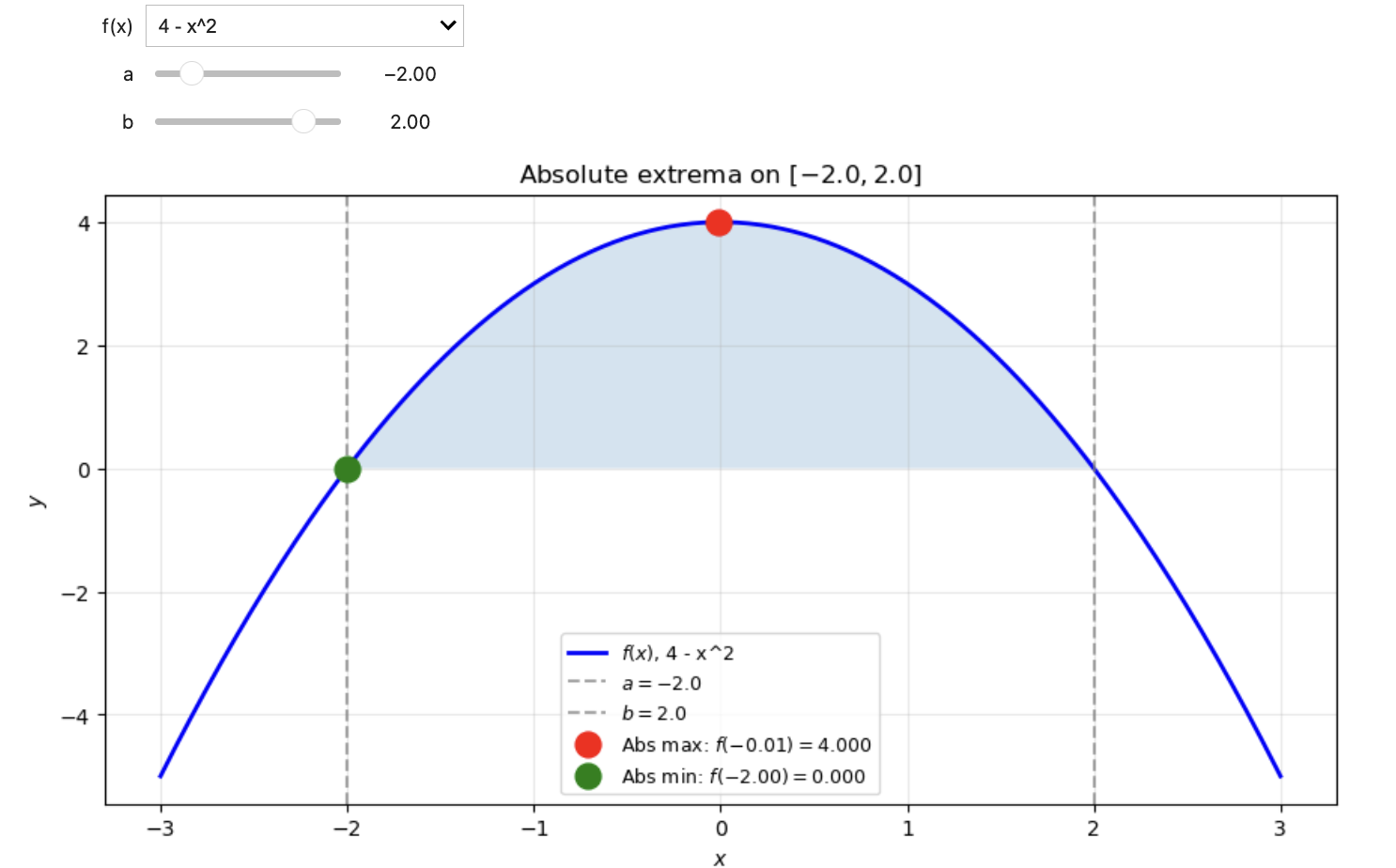
Open-source Jupyter notebooks for Calculus. Students explore limits, derivatives, extrema, Newton's Method, area under a curve, and the Fundamental Theorem of Calculus through interactive visualizations and guided coding activities.

Learn more

What Students and Instructors Are Saying

Feedback from calculus classrooms using Cal-ICOR Jupyter notebooks.

I think once I knew what I was supposed to do, the notebook did help me to understand limits a lot better, so that is one good characteristic.

— Calculus student

I thought this assignment was challenging but in a good way. This is my first experience with coding and I learned so much in just the icebreaker and even though I was stuck and I told myself I would come back to it a few days later I eventually got it and it's mostly trial and error and trying again.

— First time Jupyter user

The ICOR program at UC Berkeley has had a meaningful impact on both my students and myself by creating connections between programming and Calculus I content. Through this collaboration, we developed and refined Jupyter notebooks over several semesters that allow students to explore core calculus topics computationally. The result has been a set of classroom tools that help students experience calculus in a new way while simultaneously building confidence with programming and computational thinking.

Kathy Williamson Mathematics Instructor, Laney College

How These Resources Fit Into a Cal-ICOR Partnership

When your campus works with Cal-ICOR, these materials are just the starting point. Our team helps you:

  • Identify the right modules for your course and discipline
  • Adapt materials to your pedagogical style and learning outcomes
  • Integrate resources into a cloud environment with zero local setup
  • Build instructor capacity through one-on-one guidance and ongoing support

You don't need to navigate any of this alone. We support the process from exploration to classroom implementation.

Access and Licensing

All Cal-ICOR materials are open source and freely available for educational use. Partner institutions receive additional support for customization and implementation.

Ready to Explore What Cal-ICOR Can Look Like on Your Campus?

Even if you're just starting to think about data-enabled teaching, or wondering whether the timing is right, our team would love to start a conversation.

Let's discuss your goals and how we can support your instructors and students.